
HSP Thrive Blog
Designing Your Life Around Your Sensitivity
 by: MJ CarterPublished on: 20/02/2026
Designing your life around your sensitivities is not avoidance. It is strategy. It is wisdom. It is self-leadership. If you are highly sensitive to light, sound, smell, emotion, change, or multitasking, your nervous system processes stimulation more deeply and intensely. When you design your environment intentionally, you reduce chronic stress and unlock your greatest strengths: intuition, empathy, creativity, and insight.
Light Sensitivity in Relationships
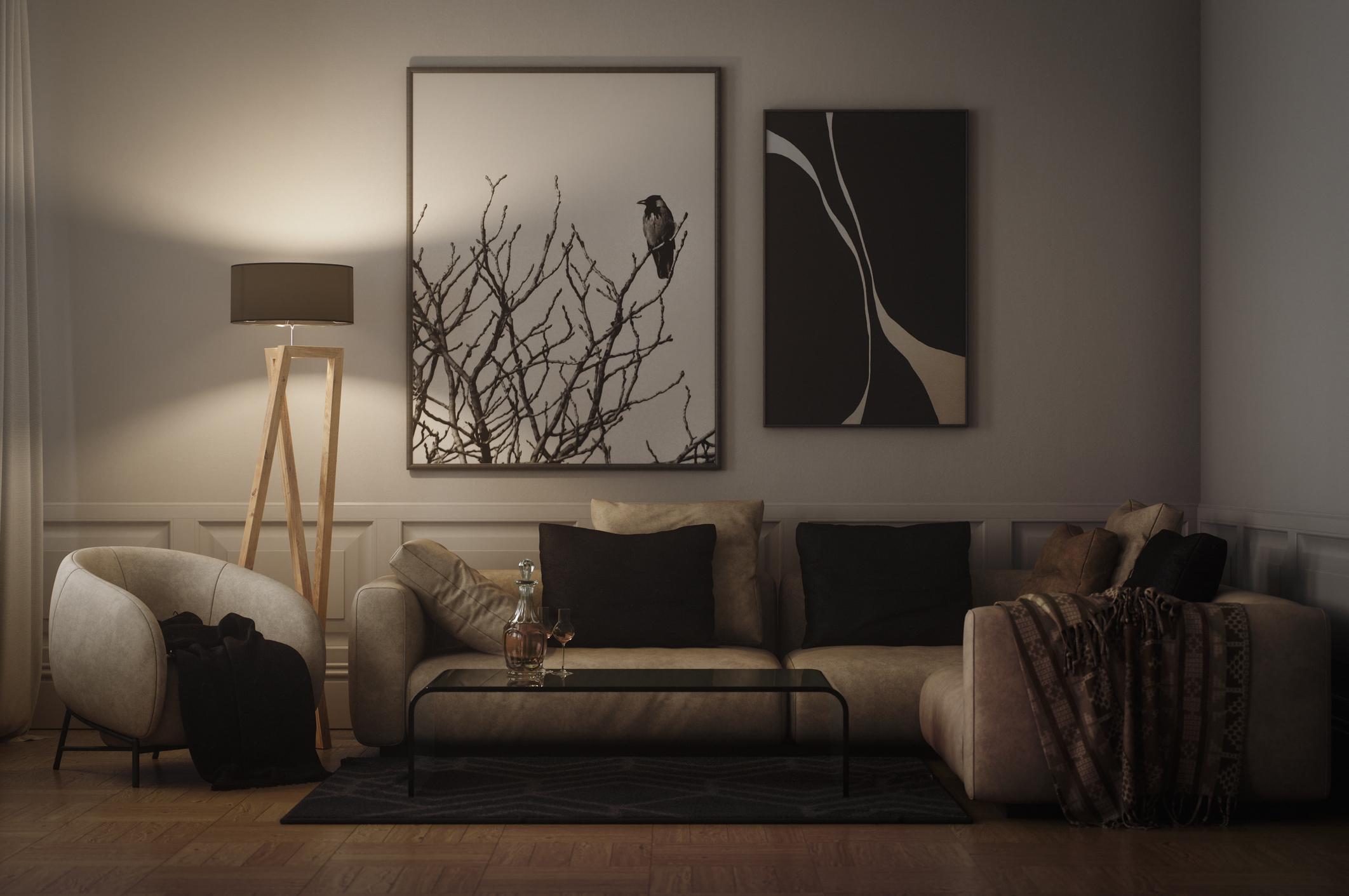
by: MJ CarterPublished on: 20/02/2026Light sensitivity is often misunderstood in relationships. It is not simply a dislike of bright lights or a preference for cozy spaces. For many highly sensitive individuals, light is processed more intensely by the nervous system. Bright overhead lighting, fluorescent bulbs, screen glare, and even subtle shifts in color temperature can create real physiological and emotional reactions. In a relationship, this sensitivity can quietly influence mood, energy levels, communication, and connection.

Overcoming the Shame of Being Highly Sensitive
by: MJ CarterPublished on: 18/02/2026For many highly sensitive people (HSPs), shame doesn’t come from who we are. It comes from what we were told about who we are. “You’re too sensitive.” “Why do you take everything so personally?” “Just let it go.” “Stop overreacting.” Over time, these messages land deeply. We begin to question our wiring. We start to believe that our intensity, emotional depth, sensory awareness, and need for processing are flaws. But high sensitivity is not a defect. It is a neurobiological trait. And shame around it can be unlearned.

Sensitivity Is Not a Flaw — It Is a Strength
by: MJ CarterPublished on: 16/02/2026New Blog Post DescriptioFor generations, sensitivity has been misunderstood. Many of us grew up hearing phrases like “You’re too sensitive,” or “Toughen up.” Over time, those messages can quietly shape how we see ourselves. We may begin to believe that our deep emotions, strong empathy, or heightened awareness are weaknesses to hide. But science — and lived experience — tell a very different story.